Use Promo Code: NCP50OFF for Dolphin Nautilus CC Plus for $50 OFF Save Now!
How to Reduce Alkalinity in a Pool
May 19, 2025
min read


As we dive into the important realm of pool care, one question that regularly comes up has to do with alkalinity. If you’re reading this, and wondering what alkalinity is, let alone how to deal with it, do not despair. This article is going to cover everything you need to know about alkalinity and your pool.
What is Alkalinity?
Getting a little scientific here, alkalinity is not an actual chemical you’ll find in the water, rather it’s an indicator of certain chemicals being in the water.
In pool water specifically, it refers to the total concentration of alkaline substances in the water, such as bicarbonates, carbonates, and hydroxides, and is measured in parts per million (ppm). While you’re measuring it as a number, it’s important to understand its use, which is determining water’s ability to resist acidification, plus serving as a buffer against acids or bases.
Why is Alkalinity Important in a Pool?
Since alkalinity helps maintain pH balance in your pool water, the question you might be having is why that’s important. There are three main reasons you’ll want balanced pH levels in your pool:
- Physical comfort. Unbalanced pH can be uncomfortable for swimmers, causing skin and eye irritation.
- Hygiene. A clean pool is important for many reasons, and chlorine, the main pool sanitizer, works best within a specific pH range.
- Pool protection. Extremely high pH levels can corrode pool surfaces like the walls, stairs, piping and other surfaces, which of course is something you want to prevent.
Recommended Alkalinity Level in a Pool
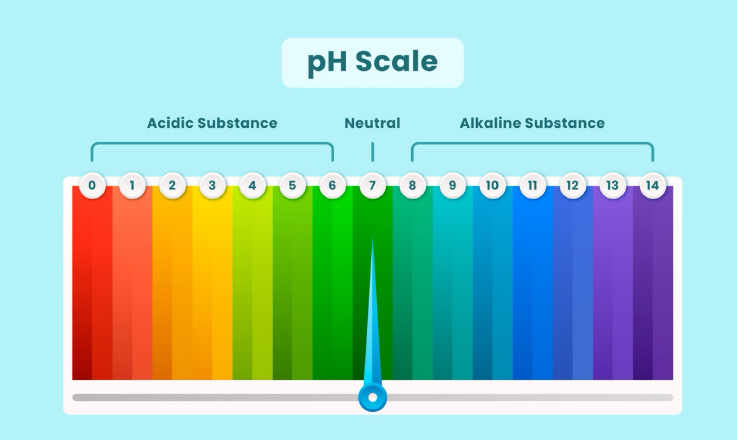
The optimal alkalinity range for pool water is generally considered to be between 80 and 120 ppm, though a wider range of 60 to 180 ppm is also acceptable. Looking at it from the pH measurement perspective, the ideal pH level for a pool is generally quoted as between 7.2 and 7.6.

Measuring Your Pool’s pH Balance
Before addressing how to bring down alkalinity in pool water, you need to know what your alk levels are. You can measure alkalinity in your pool in one of three ways:
- Test strips are the cheapest and most common way to test a pool’s alkalinity level.
- Liquid test kits require a little more effort, but are more accurate than test strips.
- Digital testers are the most expensive option, but also the most accurate.
As for how often, it’s recommended that you test alkalinity in your pool at least once a week.

How Do You Lower Alkalinity in a Pool?
Now that we understand the basics, it’s time to get down to the nitty gritty of how to reduce pool alkalinity. To do so, there are again a number of methods.
- One of the most common is hydrochloric acid (aka muriatic acid), which is generally purchased in liquid form. The amount needed depends on how many gallons of water you have in your pool, as well as the pH and alkalinity levels at the time of reading. To help you determine how much muriatic acid to then add, there are instructions on the label of the product you buy. Just be careful when handling, as while it’s extremely effective in reducing pool alkalinity, it’s also highly corrosive.
- Another similar option is sodium bisulfate, a dry acid that can also be used to lower the alkalinity and pH of pool water. For best use, simply follow the instructions on the product label for dosage and application.
- Aeration is considered a gentler option for how to treat high alkalinity in a pool. This can be done by running the pool's pump and filter system, or by adding a fountain or other water features, like jets, to the pool. Just keep in mind it’s slower than a chemical route. Many, by the way, would say aeration together with muriatic acid is the winning combination.
- Partially draining your pool water and replacing it with fresh water also works to lower alkalinity, though that obviously requires a bit more effort.
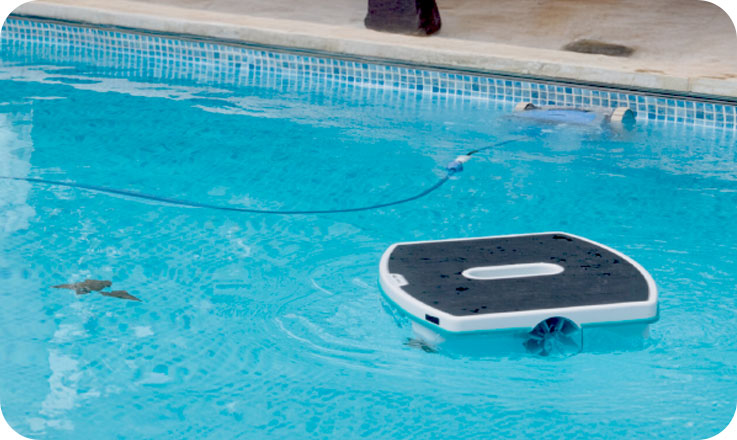
Shocking a pool, by the way, is great for killing off contaminants and keeping ideal chlorine levels, but it doesn’t directly impact alkalinity. A robotic pool cleaner like the Dolphin, similarly can help improve water circulation and reduce debris – both of which contribute to better alkalinity management in general – but it will not directly adjust your pool’s pH properties.
Conclusion
Like in any area in life, education and ongoing maintenance are key to obtaining the optimal results when you’re looking to reduce alkalinity.
By understanding what alkalinity is and the importance of keeping your pool’s pH levels within the recommended range, you can ensure a safe, comfortable, and enjoyable swimming experience year-round, and better preserve your pool for long-term use.