Use Promo Code: NCP50OFF for Dolphin Nautilus CC Plus for $50 OFF Save Now!
The Ultimate Guide for Pool Opening Season
June 05, 2025
min read


After winter, comes spring, and with that the perfect time to start prepping for pool season! It’s exciting to think about all those sunny days ahead, with friends and family gathered round. But as you know, there’s quite a bit of work to do first in this pool opening season. If you’ve already done it before, think of this “how to open your pool for the season” guide as a refresher checklist – as it’s realistically been a year since you last prepped your pool for summer. Otherwise, if you’re a new pool owner, hold onto this list, as we walk you through the essential pool opening steps.
Why Do I Need to Get My Pool Ready for Summer?
What if we didn’t use our pool over winter you ask? Well if that’s the case, then you’re in good shape, and can revert to regular swimming pool maintenance best practices. If you didn’t use it, however, you’ll need to conduct a basic pool startup after winter, to ensure safe, sanitary water for healthy swimming. Plus, functional equipment for easier upkeep and less costly repairs.

When Should I Start Preparing My Pool for the Season?
Getting your pool ready early maximizes your swimming time and prevents last-minute issues. While there’s no exact date for this, and differs between climates, common advice is to begin at least a week before you plan on swimming. This gives you time to balance the chemicals, clean the pool, and fix any faulty equipment. Some would pinpoint this to when daytime temperatures consistently reach (and stay above) 70°F; but you certainly don’t have to wait that long if you don’t mind taking a dip in cooler weather.

5 Steps for Opening My Pool After Winter

Now to the core of the matter, to really help you out, these are the five main steps to follow when opening a swimming pool for the season.
1. Replace or clean your pool water
If you drained your pool at the end of last season, you’re going to need to fill it up. However, if you left water in your pool, you’re going to need to make a decision instead. That is, should you clean the water or replace it?
Realistically, it’s more cost-effective to treat the existing water rather than completely replacing it. But if the water has extremely high levels of total dissolved solids (TDS), there's likely severe contamination that cannot be effectively treated. Similarly, if the water simply looks and smells terrible, replacement may also be better. To determine its starting condition, you should test your pool water, and decide from there.
2. Clean your pool surfaces and water
- Like any spring cleaning, your pool is going to need a good scrub down when you open a pool for summer. To do so:
- Take off the winter cover. Remove any debris from the water surface.
- Thoroughly scrub the pool walls and floor, either manually or with a pool robot.
- Test and balance the water chemistry (see step 3 for details).
- Shock the pool to eliminate bacteria and algae.
- Run the filtration system to circulate the treated water, and clear any remaining cloudiness.
- Then test again to be extra sure of the water’s quality, and further treat if needed.
3. Balance the chemicals
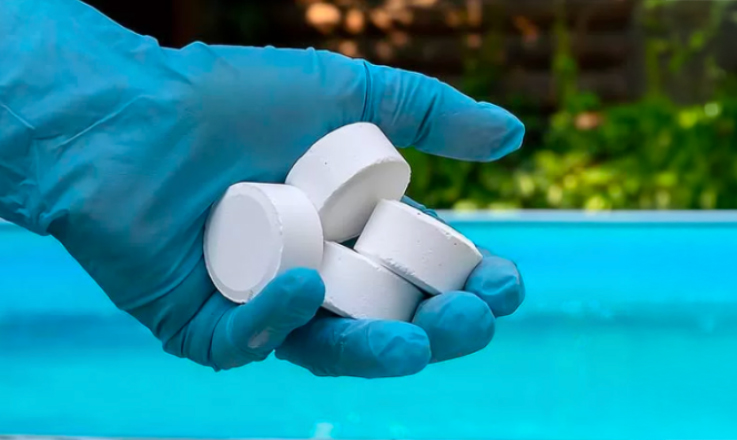
Opening your pool after winter requires a balance of chemicals to ensure safe and clean water. You’ll need to first test your waters, as we mentioned, so you know what and how much to add of:
- Chlorine or shock
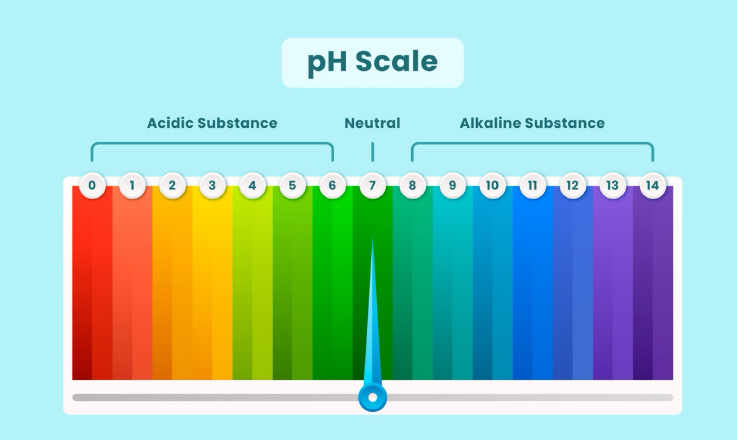
- pH balancers (i.e. a pH increaser or decreaser)
- An alkalinity reducer (like muriatic acid or sodium bisulfate)
- A calcium hardness increaser Algaecide
How long does it take for pool chemicals to work, you ask? Well anywhere from a few hours for pH adjusters up to 24 hours for shock. Your pool size and circulation will be influencing factors, but always read the instructions on the side of the packaging the chemicals came in, to be on the safe side.
4. Prep your pool pump and filter
Part of opening an inground pool after winter, of course, also means doing a visual check, to see that there aren’t any cracks or erosion, and that important elements like the pump and filter are working. To do so, make sure the power is off, then inspect the pump and filter for any visible damage or cracks. Next, clean or replace the filter cartridge or media, and lubricate any O-rings or gaskets as needed. Finally, reconnect all plumbing, prime the pump, and turn the power on to check for proper operation and leaks.
5. Get your robotic pool cleaner ready for the season
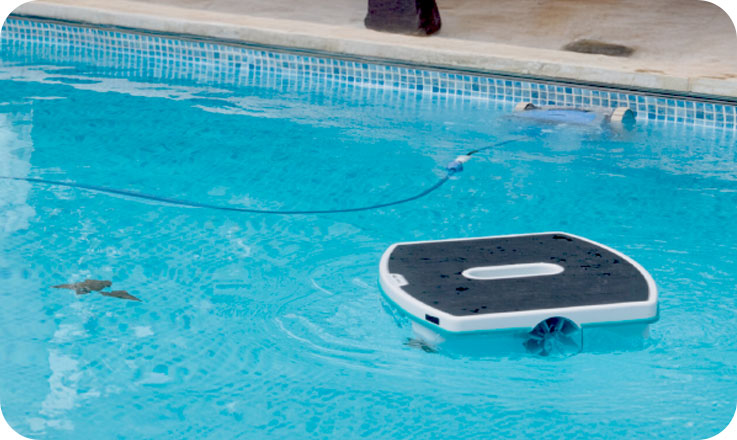
Once your pool is ready, it’s safe to go in the waters. But the maintenance continues. To keep it easier, you may have purchased a robotic pool cleaner, which is essentially an automated device that climbs into your pool to vacuum and scrub on a set schedule, so you don’t have to think about it.
To ensure it’s ready for the work ahead, make sure it’s in good working order by checking the brushes, tracks, filters, climbing-rings, and seals, and if needed, fix or replace (spare parts are easy enough to order). Also, plug it in to make sure it charges, or use the built-in testing diagnostics to identify any issues in advance.

Conclusion
When addressing the common question of how to open a swimming pool for the season, the answer is clear. A little foresight and preparation are all it takes. Although you can totally do it on your own by following these easy steps, you can also call a pro if you prefer. That’s a decision that’s up to you, and may change as you become increasingly comfortable with good pool care.