Use Promo Code: NCP50OFF for Dolphin Nautilus CC Plus for $50 OFF Save Now!
How To Winterize an Above-Ground Pool
November 17, 2025
min read


As the days get cooler, it’s time to give your pool a proper seasonal send-off — and it’s easier than you think! Winterizing your above-ground pool now helps prevent costly damage, keeps your water clean, and ensures your pool is cannonball-ready when warm weather returns. This article will walk you through everything from balancing your water to choosing the right winter cover so you can close your pool with confidence, protect your investment, and enjoy an easy reopening.
Why Winterizing Your Above-Ground Pool is Essential
Above-ground pool winterization isn’t just about covering it up and calling it a day. Taking the time to winterize protects your investment, extends your swimming pool’s lifespan, and prevents these costly maintenance headaches:
*Frozen water damage: When temps drop, any remaining water in your pool’s plumbing, pump, or filter can freeze, expand, and cause cracks or burst pipes.
*Algae growth: If your pool water isn’t treated before closing, bacteria can thrive over the winter, turning your pool into a slimy mess.
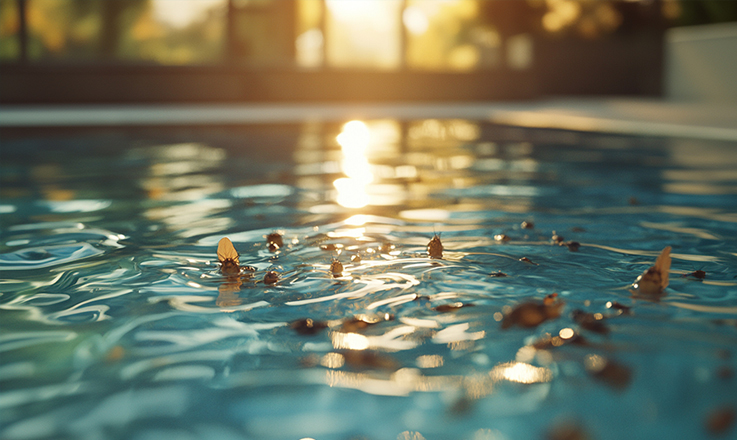
*Debris buildup: Leaves and dirt can sneak into an uncovered or improperly covered pool, leading to staining and clogging.
*Equipment wear and tear: Pumps, filters, and other accessories can crack in freezing temperatures.
6 Steps for How to Close Your Above-Ground Pool for Winter
If you’re wondering “How do I winterize my pool?” you’re not alone — many pool owners have the same question! As soon as temperatures drop below 65℉, you can prevent damage, keep your water clean, and reopen easily by taking these six steps.
Step 1: Give Your Pool a Deep Clean
Scoop out leaves, dirt, and debris with a robotic pool skimmer, brush, or vacuum, especially in corners and around ladders where gunk likes to hide. A quick deep clean now saves you from a mess later!

Step 2: Balance the Pool Water
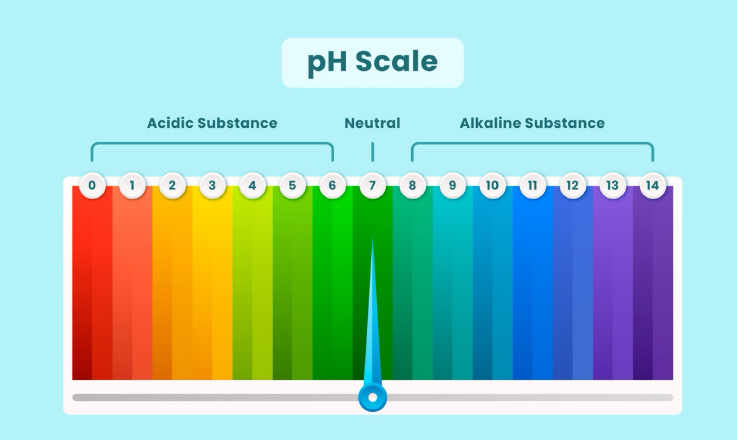
If you’ve ever reopened your swimming pool in spring and found it looking like a swamp, chances are winterization didn’t go as planned! Keep your water balanced to prevent corrosion, scaling, and algae buildup by using a reliable pool testing kit to check your levels. Then, adjust them as needed to stay within these ranges:
- pH: 7.2-7.6
- Alkalinity: 80-120 ppm
- Calcium Hardness: 180-220 ppm
Step 3: Add Winter Chemicals
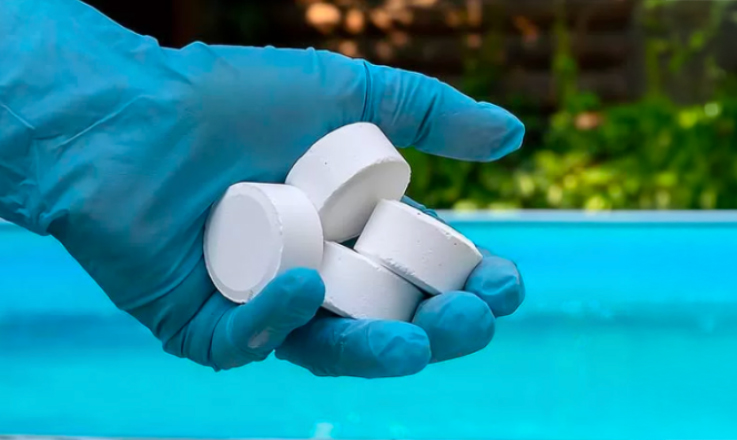
Next — and this step is essential to winterize your above-ground pool — make sure your water is ready for frigid temps by adding winter chemicals. A good kit typically includes chlorine or non-chlorine shock, algaecide, and stain and scale preventer to protect pool surfaces and equipment from mineral buildup.
Pro Tip: Seasoned pool owners swear by adding these pool chemicals a few days before closing to give them time to circulate fully.
Step 4: Lower the Water Level
With your water balanced and treated, the next step is freeze protection. If temps drop below freezing in your area, lower the water slightly below the skimmer to prevent ice damage. But wait: You might think draining your pool for winter is best, but we advise never draining the pool. You can lower the pool water level, but never drain it. Why? Once the water of an above-ground pool drains, there’s no way to keep the walls in place and they’re designed to thrust inwards against the force of the water within.
Step 5: Protect Your Pool Equipment
We’re almost done! Before you cover your swimming pool, clear water from pumps, hoses, and return lines. Then, remove plugs and store everything indoors to prevent freeze damage. Don’t forget to use a pool winterization plug or air pillow to help prevent ice expansion from causing cracks.
Additionally, if you have a robotic pool cleaner, follow the manufacturer’s instructions for the “remove from pool” temperature, which will likely be earlier than the “close the pool” temperature. Our in-house pool experts say that running a pool-cleaning robot at low temperatures can damage its motor.
Step 6: Install a Winter Pool Cover
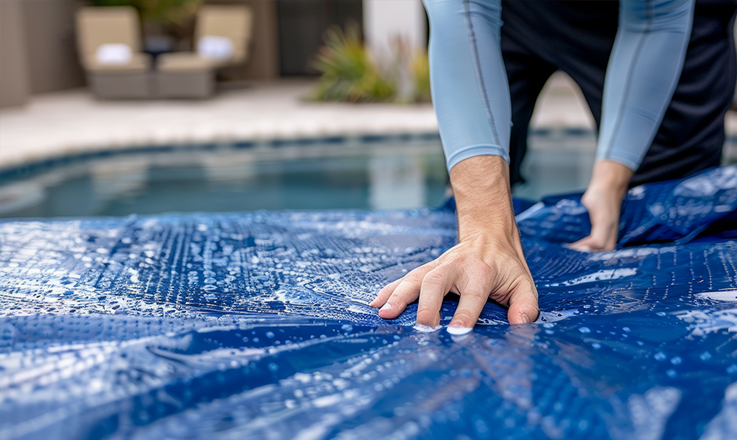
Last, but not least, it’s time to cover your above-ground pool. A high-quality winter pool cover is one of the most important investments you can make to protect your pool from debris, harsh weather, and algae growth. The right cover depends on your needs: solid covers block sunlight and debris, while mesh covers allow water to drain through.
You’ll also need to secure your pool cover using water bags to hold down the edges of a solid cover, a cable-and-winch system to keep the cover secure, and air pillows to help distribute the weight of ice and snow evenly.

How Do I Winterize My Pool in a Warm Climate?
If you live somewhere warm, we have good news for you: Winterizing your pool is much simpler! Just keep the pool full (no draining needed) and skip any steps that don’t apply. If ladders or fixtures are in the way, take them out before covering your pool.
Lastly, run the pump for 2-4 hours per day to keep the water moving, and if a cold snap hits (we see you Texas!), let it run until the freeze risk is over. It’s also worth investing in a freeze sensor to take the guesswork out and help protect your pool.
Master Pool Winterization Now for an Easier Reopening
Hopefully, you’re feeling confident and ready to winterize your swimming pool the right way. Remember that a little effort now can save you from a messy, stressful opening later.
By meticulously cleaning the pool, balancing the water, and adding winter chemicals, you prevent costly damage and ensure a clean, algae-free spring. Lowering the water level, rather than draining, protects the pool's structure from ice damage, while proper equipment storage prevents freezing issues.
Don't overlook the importance of a quality winter cover, secured with water bags and air pillows, to shield your pool from debris and harsh weather. Even in warmer climates, maintaining water circulation and preparing for cold snaps is essential.
Want to make pool winterization even more effortless? Our above-ground robotic pool cleaners can help you winterize like a pro. Got questions? Just ask. We’re here to help.
Related Articles